Table Of Content
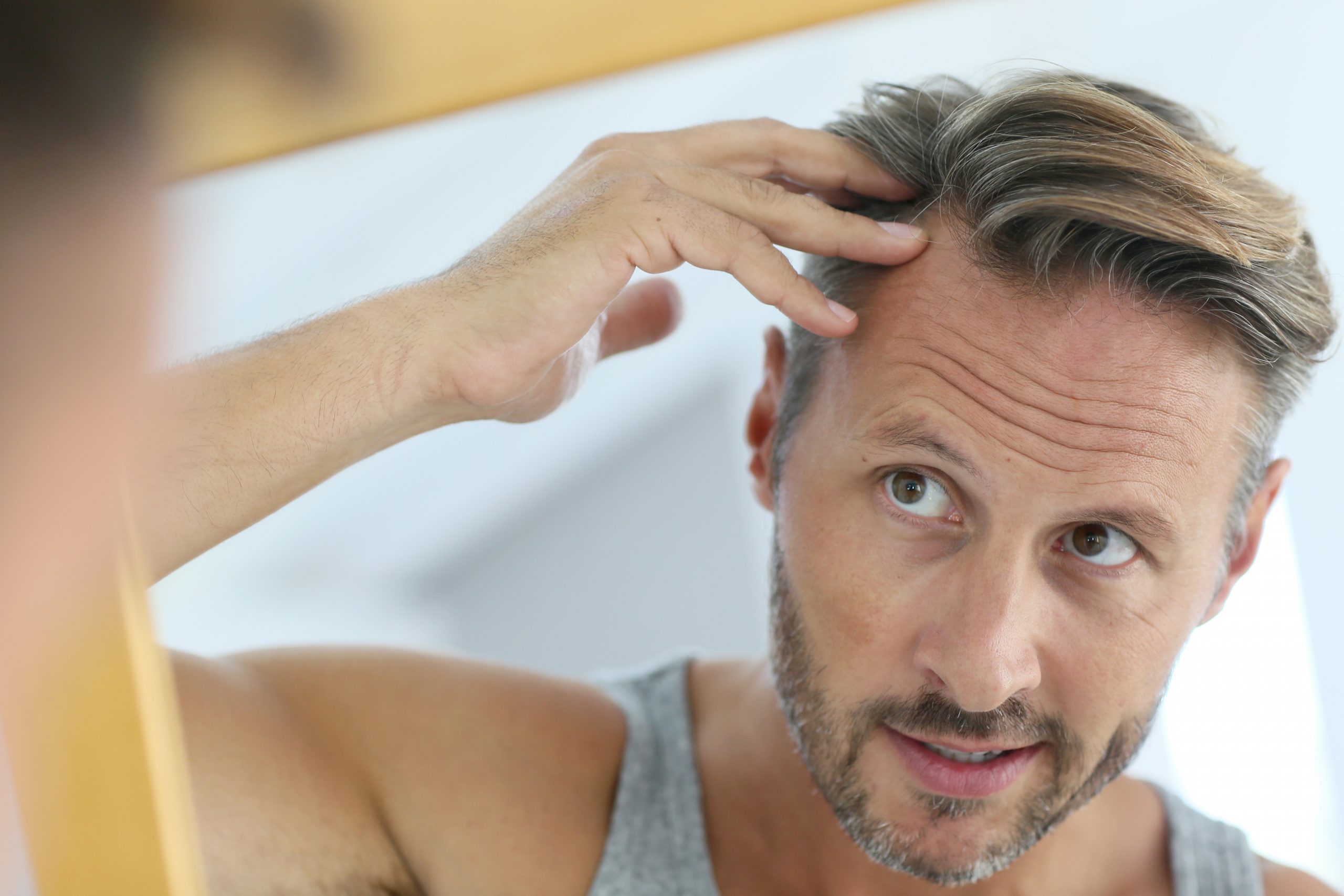
If your child is stressed or depressed, their doctor can recommend an experienced counselor. Some of these treatments may not be available on the NHS. Hair loss is not usually anything to be worried about, but occasionally it can be a sign of a medical condition. Additionally, avoid using appliances that overheat your hair. Set your hairdryer on cool and low settings and minimize your use of flat and curling irons (say, for special occasions). If you use hair gel or hair spray, don’t wait for it to dry before you comb through it, because the hair will harden and be more likely to break.
Male-pattern baldness
Your doctor gently scrapes skin samples from your scalp and sends them to a lab for testing. Dermatologist Wilma Bergfeld, MD, talks about ways to stop hair loss, what may cause it and whether it can be reversed. Minoxidil may irritate your scalp and cause dryness, scaling, itching and/or redness. In addition, a healthcare provider might recommend forms of light therapy like using the HairMax Lasercomb®. Another FDA-approved laser product is the Theradome LH80 PRO® helmet and low-light laser helmets and caps.
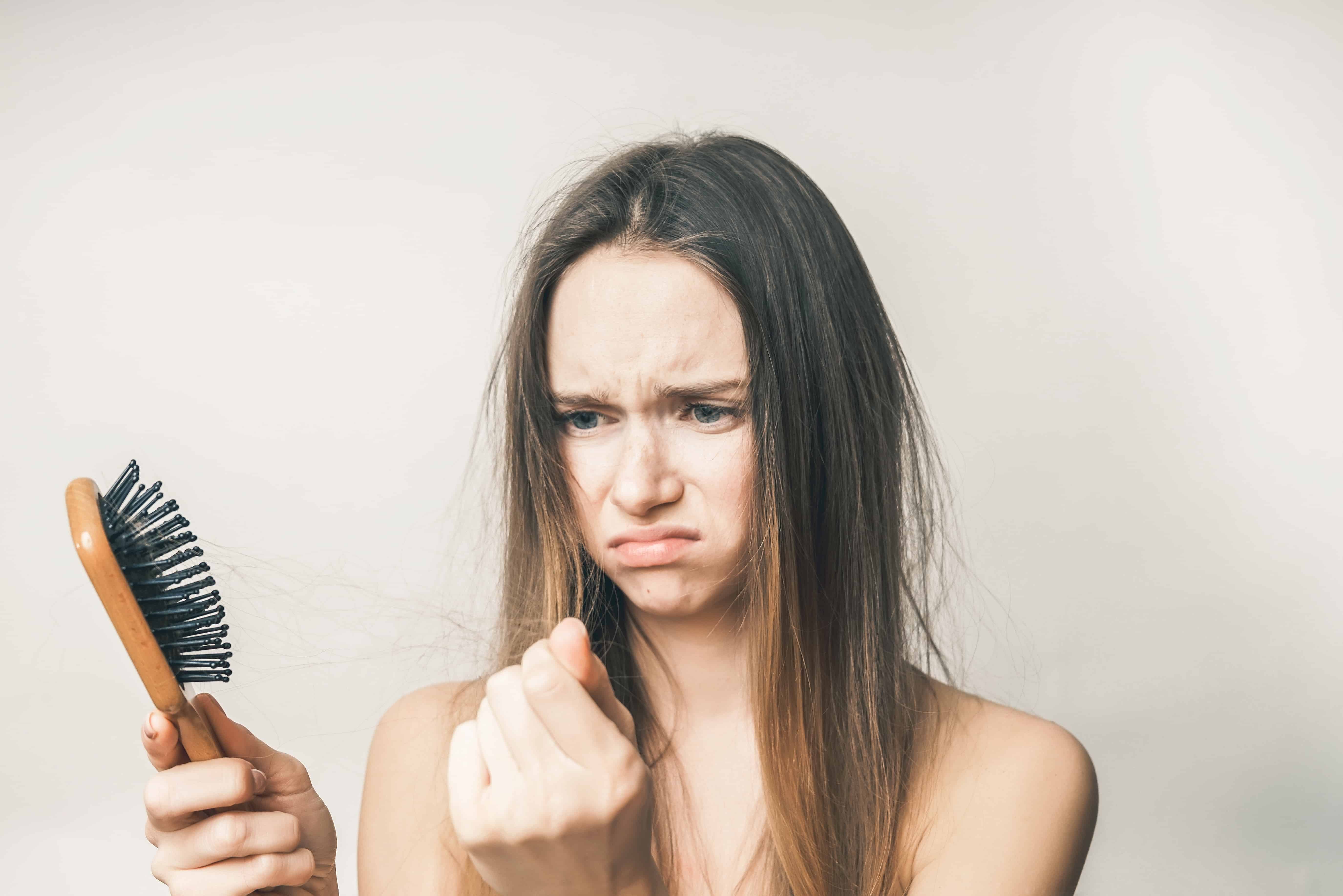
You Have Another Condition
Most women lose a lot of hair a few months after giving birth. Later in life, some women notice extra shedding during menopause. You might also notice shedding if you’re dealing with other hormonal changes, such as stopping birth control pills. If the stress stops, your body will readjust and the excessive shedding will stop.
Hair loss treatment
They may also order blood tests to check for any nutrient deficiencies or signs of an underlying condition. If they suspect an autoimmune or skin condition, they might take a biopsy of the skin on your scalp. This involves carefully removing several small sections of skin for laboratory testing. Traction alopecia results from too much pressure and tension on the hair, often from wearing it in tight styles, like braids, ponytails, or buns. These patches, sometimes called a kerion, can cause scarring as well. The main symptom of alopecia is losing more hair than usual, but this can be harder to identify than you might think.
The 10 Best Shampoos for Thinning Hair of 2024, Tested by Real People - PEOPLE
The 10 Best Shampoos for Thinning Hair of 2024, Tested by Real People.
Posted: Wed, 17 Apr 2024 07:00:00 GMT [source]
Some people pull on their hair, often to relieve stress. If you want to diminish a noticeable scar, know these 10 things before having laser treatment. Hair loss can also be a side effect of some medications, especially chemotherapy medications to treat cancers.
Hormones
In the type of patchy hair loss known as alopecia areata, hair loss occurs suddenly and usually starts with one or more circular bald patches that may overlap. Talk to your healthcare provider if an abnormal amount of your hair is falling out. You may need to see a dermatologist (a doctor specializing in skin, hair, and nails) who can tell you whether you are experiencing hair shedding, hair loss, or both. Losing around 50–100 hairs daily through combing, brushing, washing, and styling is normal. When excessive hair shedding occurs, it's known as telogen effluvium. Someone with telogen effluvium can lose 300–500 hairs daily.
Your pants will be looser and, if you weigh yourself regularly, you’ll see the number on the scale go down. If you’re experiencing hair loss, it can come on suddenly. Hair, nails, and skin may become more brittle and break more easily. Both much or too little thyroid hormone can affect your hair follicles, resulting in hair loss. Another red flag is a widening part, and the hair loss may be diffused, meaning it’s spread across the entire scalp. Your derm can examine the pattern of hair loss and perform blood work to rule out other causes, says Dr. Jakubowicz.
Seasonal hair loss: What causes it and treatments to help - TODAY
Seasonal hair loss: What causes it and treatments to help.
Posted: Fri, 12 Apr 2024 07:00:00 GMT [source]
Acute telogen effluvium
Even though the exact cause of androgenetic alopecia is unknown, genetics and environmental factors may contribute. It could happen during your morning shower, while you’re blowing it dry, or when you give it a quick brush—and that’s totally normal. But when you start to notice an excessive amount of hair thinning, bald patches, or your hairline starts to recede in places it didn’t before, you may start to wonder what’s up. Sometimes hair loss is a sign of a condition called hyperandrogenism, which happens when your body makes too many androgens (male hormones).
Just like with your hair color and hairline, your genes often determine whether you’ll experience thinning hair. It’s a myth that you inherit your hair loss gene from your mother’s father, says Dr. Zeichner. Traction alopecia is the result of environmental factors, such as wearing your hair in tight hairstyles, Agbai says.
The radiation dose can determine how much hair is lost or how permanent the hair loss is. Typically hair loss starts a few weeks after treatment. Hair usually begins to grow back a few months after treatment. Female pattern baldness (androgenetic alopecia) is the most common cause of hair loss in women, but there are many other potential causes. A common cause of this imbalance is polycystic ovary syndrome (PCOS).
Certain vitamins and minerals like vitamins A, B, C, D, E, zinc and iron can affect your hair growth. Androgenic alopecia causes the normal hair growth cycle to shorten. As a result, hair doesn’t grow as long or thick as it normally would.



No comments:
Post a Comment